
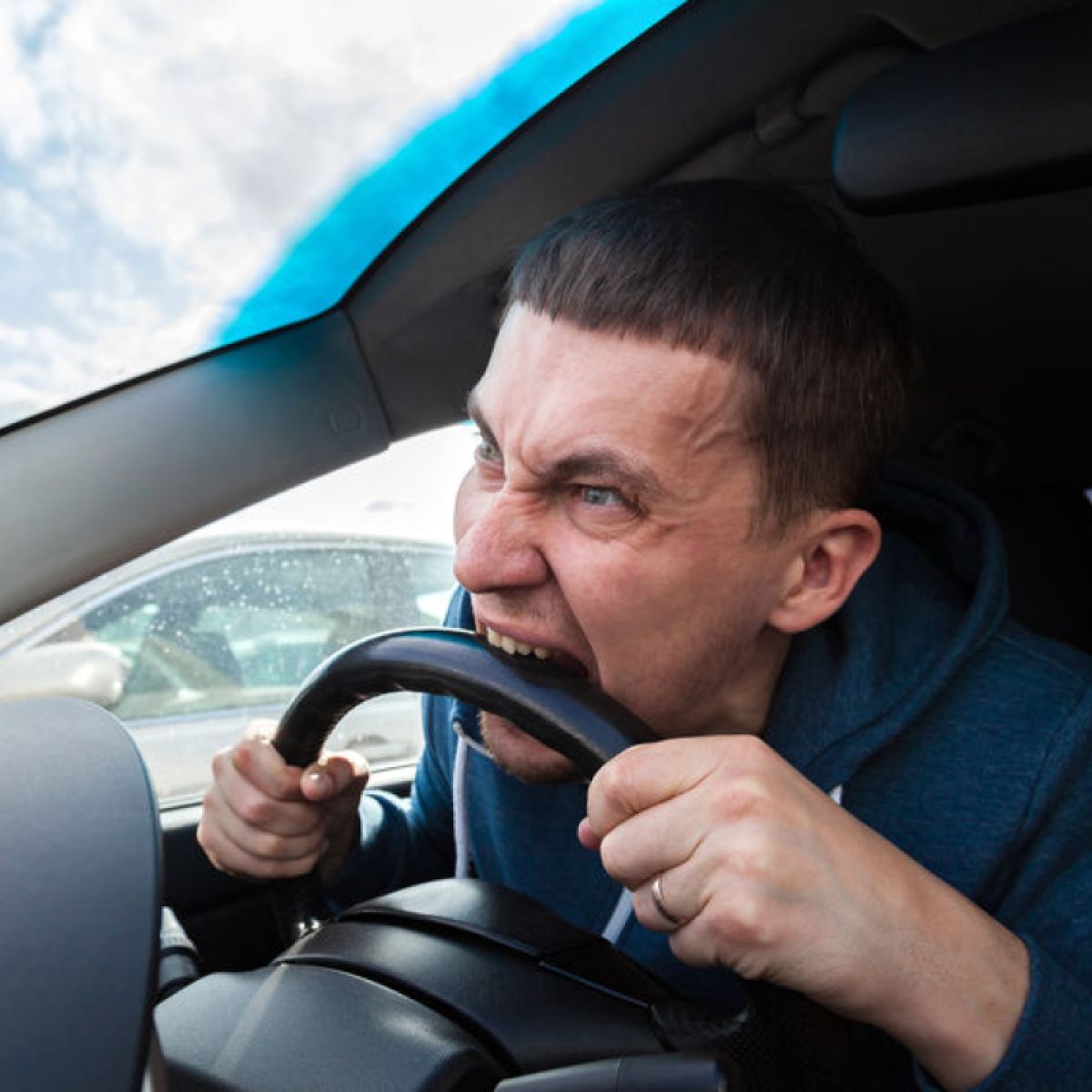
In the shadowed hours of December 29, 2024, a seemingly trivial altercation on the asphalt veins of Las Vegas escalated into a fatal confrontation. Near the intersection of South Jones Boulevard and Alta Drive, a verbal dispute between two vehicles culminated in gunfire, claiming the life of a male passenger. The assailant, described as a White or Hispanic male with brown hair, wearing sunglasses, fled the scene in a dark-colored Chevrolet truck. The Las Vegas Metropolitan Police Department (LVMPD) has since released footage of the suspect's vehicle, urging the public to assist in identifying the perpetrator. [Source]
This incident is not an isolated anomaly but a symptom of a more insidious affliction plaguing Nevada's roadways. The state ranks second nationally for deadly road rage shootings per capita, trailing only New Mexico. Between 2018 and 2021, the number of such incidents doubled, with at least 522 occurrences nationwide resulting in 131 deaths. [Source]
What drives this surge in vehicular violence? The pandemic's social isolation and the subsequent emptiness of roads have fostered a 'my way or the highway' mentality among drivers. This individualistic ethos, when coupled with the anonymity and perceived invulnerability provided by a vehicle, creates a fertile ground for aggression. [Source]
Moreover, Nevada's legal framework offers a paradoxical landscape. While 'road rage' per se is not a defined crime, actions stemming from it can lead to charges ranging from reckless driving to assault with a deadly weapon. The penalties, however, may not serve as sufficient deterrents, given the escalating statistics. [Source]
In the face of this epidemic, the LVMPD's call for public assistance is both a plea and a warning. The roads, once symbols of freedom and progress, have transformed into arenas of conflict. It is imperative for the community to confront this malaise, lest the journey through Las Vegas becomes a perilous odyssey.

Comments
Leave a comment